
Autism Understanding Month
- Kate Rafferty
- Apr 14
- 4 min read

Since 2021, the 2nd of April has marked World Autism Understanding Day. In 2026, Autism Spectrum Australia (Aspect) has expanded this into a full month - recognising something important. Real understanding takes time.
So this month, we're leaning into that shift, from awareness to understanding.
Because awareness is knowing autism exists.
Understanding is what changes how we show up at home, school, work, and in our communities.
Through month is about recognising Autistic people, celebrating strengths, and building real understanding.
In this blog, we’ll explore:
What Autism Actually Is (Understanding Autism)
Autism is a neurological difference, diverging from the 'neurotypical' norm (termed neurodivergence). It involves genetic variations in information processing that occur throughout all nervous systems, shaping the way both external and internal environments are perceived and reacted to. Thus, Autistic individuals may have different ways of thinking, communicating, connecting and sensing, compared to the neurotypical norm.
An estimated 1 in 40 people are autistic. Autism can be identified in people of all ages, all cultural backgrounds and economic status.
Importantly, Autism is not an illness or a deficit. It's a different way of being.
For some Autistic people, experiences of their world may look like:
Finding it hard to start conversations or friendships with neurotypical peers.
Building friendships differently (often connecting best with other neurodivergent people).
Strong preference to their way of moving, engaging in interests, need for sameness, and predictability to feel safe and regulated.
Feeling overwhelmed by sensory input (e.g., lights, noise, touch), or, seeking sensory experiences to self-regulate.
Common Misconceptions
Despite growing awareness, many misconceptions about autism remain.
“Autistic individuals lack empathy”
Autistic people often experience deep empathy, it may just be expressed differently.
“Autism only looks one way”
It doesn't. Autism presents in many ways, across different genders, cultures, and ages. Many individuals (particularly girls and gender-diverse people) are often missed or misdiagnosed, meaning people often end up in the wrong kind of therapy or taking medications that aren’t actually helpful.
“Autism needs to be fixed”
Autism is not something to “fix.” The focus should be on: understanding, acceptance, and support
“If someone is coping, they don’t need support”
What looks like "coping" is often masking.
Masking is when someone suppresses their natural ways of being ton fit in, and it can be incredibly exhausting. Masking places an incredible burden on Autistic people, one that often leads to burnout, anxiety, and exhaustion.
Common Strengths in Autistic People
Autism diagnoses are often based on a person’s deficits. We support the shift to a strengths-based approach that seeks to understand Autistic people and their individual strengths, while also acknowledging where individuals may benefit from support.
Some common strengths Autistic people may bring include:
Honesty and direct communication (will say what they mean, and mean what they say!)
Loyalty and strong values
Unwavering focus on things that capture their attention
Attention to detail
Excellent problem-solving skills
Logical thinking
Creativity
Authenticity
Meaningful, deep, and authentic connections
Less likely to conform to social norms
Strong pattern recognition
Of course, every person is different! But, these strengths are often overlooked when we focus only on challenges.
What You Can Say and Do to Be Supportive
Here are some helpful things you might say to show support:
“Let me know what would make this feel more comfortable for you.”
“How can I support you?”
"You can take a break whenever you need."
"What is your preferred way to communicate?"
“You are welcome to use whatever strategies you need to feel included.”
"Let's work together to determine strategies that can support you in everyday situations."
"Everybody is welcome here."
“I’ve noticed you are interested in x. I'd love to learn more about this.”
“What things are you passionate about?”
Here are some helpful things you might do to show support:
Recognise that there is a lot you don’t know or can’t see.
Create a safe space for individuals to express themselves authentically.
Keep an open mind and be flexible.
Take the time to listen and learn from those with lived experience.
Understand that individuals’ support needs may fluctuate during the day.
Be patient and understanding and promote open communication.
Understand that eye contact might make some individuals feel uncomfortable.
Understand that individuals may be using strategies to cope with sensory overload like using headphones.
If there’s one thing to take from this:
Understanding autism isn’t about knowing all the answers. It’s about being willing to learn, to listen, and to adjust how we show up.
And that’s something we can all keep working on.
Meet the clinician behind this post

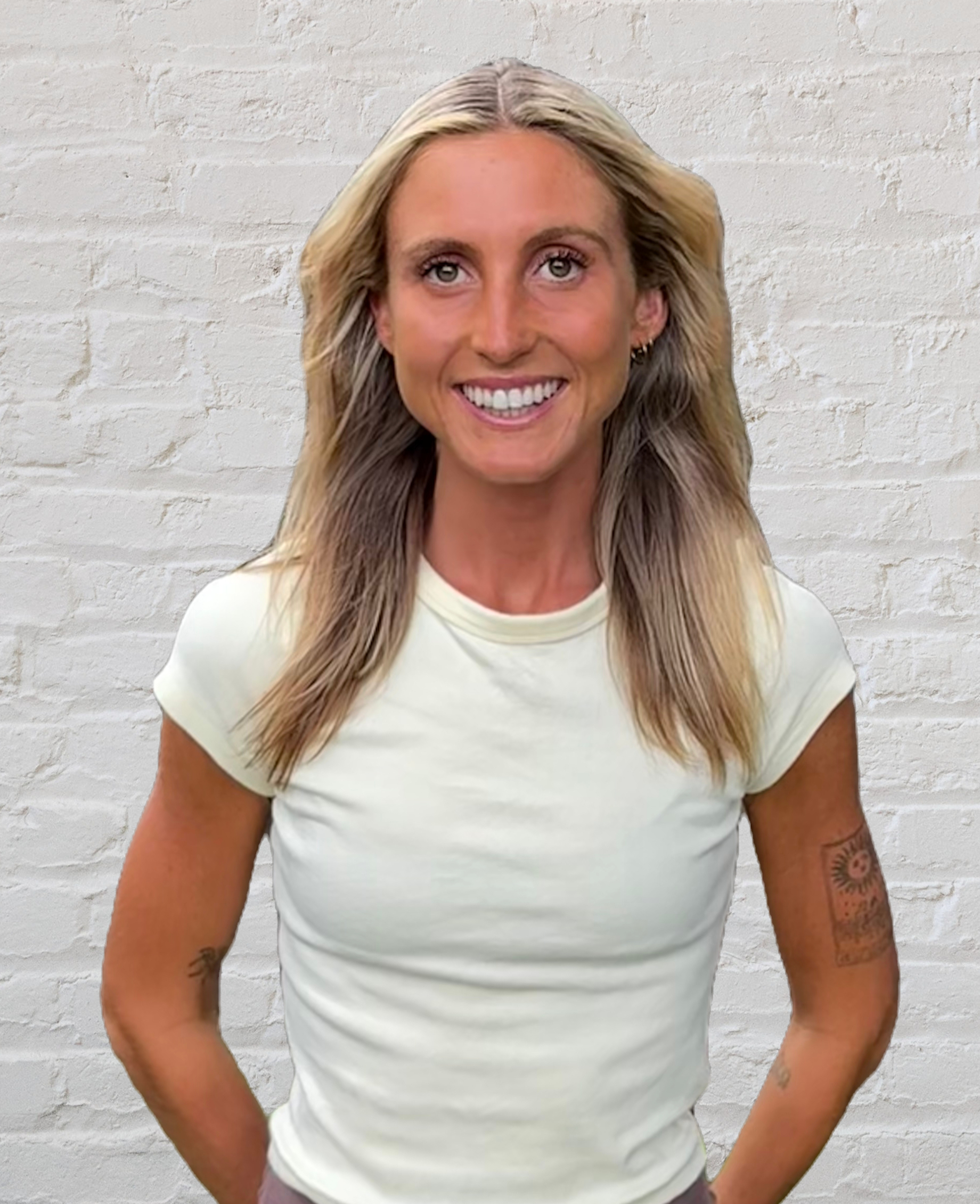
Kate Rafferty
Kate is an AHPRA-registered provisional psychologist who is passionate about supporting neurodivergent children, teens, and their families.
She’s passionate about creating a space where people feel understood and not judged, and where therapy focuses on building confidence, understanding strengths, and finding ways to navigate life that actually work for you.


Comments